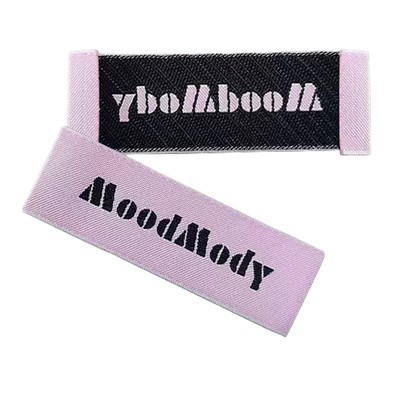
As a seasoned supplier of garment labels, I’ve witnessed firsthand the critical role that proper storage plays in maintaining the quality and integrity of these essential components. Garment labels are not just tags; they are the brand’s voice, conveying vital information about the product, its origin, and care instructions. In this blog, I’ll share insights into the best ways to store garment labels, ensuring they remain in pristine condition until they reach their final destination on your clothing items. Garment Labels
Understanding the Importance of Proper Storage
Garment labels are made from a variety of materials, including paper, fabric, leather, and plastic. Each material has its own unique characteristics and requirements when it comes to storage. Improper storage can lead to a range of issues, such as fading, discoloration, warping, and damage from pests or moisture. These problems not only affect the appearance of the labels but can also compromise their functionality, rendering them ineffective in conveying the necessary information.
Factors to Consider When Storing Garment Labels
Before diving into the specific storage methods, it’s important to consider several factors that can impact the longevity of your garment labels. These factors include:
Material Composition
As mentioned earlier, different materials require different storage conditions. For example, paper labels are more susceptible to moisture and can easily become damaged if exposed to high humidity. On the other hand, fabric labels may be more prone to wrinkling or stretching if not stored properly. Understanding the material composition of your labels will help you determine the most appropriate storage method.
Environmental Conditions
The environment in which you store your garment labels can have a significant impact on their quality. Factors such as temperature, humidity, and light exposure can all affect the integrity of the labels. Ideally, labels should be stored in a cool, dry place away from direct sunlight and extreme temperature fluctuations.
Quantity and Volume
The quantity and volume of your garment labels will also influence your storage strategy. If you have a large inventory of labels, you may need to consider using specialized storage solutions, such as shelves, cabinets, or storage containers. On the other hand, if you have a smaller quantity of labels, you may be able to store them in a simple drawer or box.
Best Practices for Storing Garment Labels
Based on my experience as a garment label supplier, I’ve compiled a list of best practices for storing garment labels. These practices will help you ensure that your labels remain in excellent condition and are ready to use when you need them.
Use Appropriate Storage Containers
One of the most important steps in storing garment labels is to use appropriate storage containers. These containers should be made of a durable material that can protect the labels from damage, such as plastic, cardboard, or metal. They should also be designed to keep the labels organized and easily accessible.
For paper labels, consider using acid-free storage boxes or envelopes to prevent yellowing and deterioration. These boxes are specifically designed to protect paper from the harmful effects of acid, which can cause discoloration and brittleness over time.
For fabric labels, use plastic or fabric storage bags to prevent wrinkling and stretching. These bags should be sealed tightly to prevent dust and moisture from entering.
Control the Environment
As mentioned earlier, the environment in which you store your garment labels can have a significant impact on their quality. To ensure that your labels remain in excellent condition, it’s important to control the temperature, humidity, and light exposure in your storage area.
Ideally, the temperature in your storage area should be between 60°F and 70°F (15°C and 21°C), and the humidity should be between 40% and 60%. You can use a hygrometer to monitor the humidity levels in your storage area and a dehumidifier or humidifier to adjust the humidity as needed.
In addition, it’s important to keep your storage area away from direct sunlight and other sources of light. Exposure to light can cause fading and discoloration of the labels, especially if they are made of paper or fabric.
Organize Your Labels
Proper organization is key to ensuring that your garment labels are easily accessible and in good condition. When storing your labels, it’s important to keep them organized by type, size, and color. You can use dividers, labels, or a filing system to keep your labels organized and easy to find.
For example, you can use a filing cabinet or a storage box with dividers to separate your labels by type, such as care labels, size labels, or brand labels. You can also use color-coded labels or tags to make it easier to identify the different types of labels.
Handle Your Labels with Care
Finally, it’s important to handle your garment labels with care to prevent damage. When handling your labels, make sure to wash your hands thoroughly to prevent dirt and oils from transferring to the labels. You should also avoid touching the labels with sharp or rough objects, as this can cause scratches or tears.
When removing labels from storage, make sure to handle them gently and avoid bending or folding them. If you need to cut the labels, use a sharp pair of scissors or a label cutter to ensure a clean cut.
Conclusion

Proper storage is essential for maintaining the quality and integrity of your garment labels. By following the best practices outlined in this blog, you can ensure that your labels remain in excellent condition and are ready to use when you need them.
Woven Patches As a garment label supplier, I understand the importance of providing high-quality labels that meet your specific needs. If you’re looking for a reliable supplier of garment labels, I encourage you to contact me to discuss your requirements. I’ll be happy to provide you with a free quote and answer any questions you may have.
References
- American Institute for Conservation of Historic and Artistic Works. (n.d.). Guidelines for the Storage of Paper-Based Collections. Retrieved from https://www.conservation-us.org/resources/publications/guidelines-and-manuals/guidelines-for-the-storage-of-paper-based-collections
- National Archives and Records Administration. (n.d.). Storage and Handling of Textiles. Retrieved from https://www.archives.gov/preservation/storage/textiles.html
- International Association of Clothing Designers and Executives. (n.d.). Best Practices for Garment Labeling. Retrieved from https://www.iaced.org/best-practices-for-garment-labeling/
Kaishen Garment Accessory Co., Ltd.
As one of the most professional garment labels manufacturers and suppliers in China, we’re featured by quality products and low price. Please rest assured to wholesale bulk cheap garment labels from our factory. Contact us for customized service and free sample.
Address: No.1, Yangguang Road, Shanwu Village, Shijie Town, Dongguan City, Guangdong Province
E-mail: patch@shiujan.com
WebSite: https://www.kspatch.com/
