Selecting the right size of a tractor for agricultural implements is a crucial decision that can significantly impact the efficiency, productivity, and cost – effectiveness of your farming operations. As a supplier of agricultural implements, I’ve witnessed firsthand the importance of this match. In this blog, I’ll share some key considerations to help you make an informed choice. Agricultural Implements
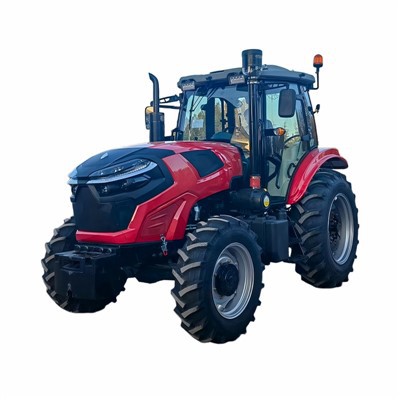
Understanding the Basics of Tractor and Implement Compatibility
The first step in selecting the right tractor size is to understand the relationship between the tractor and the agricultural implements it will be paired with. Different implements have different power requirements, and the tractor must be able to provide enough power to operate them effectively.
For example, a small rotary tiller may require only a 15 – 20 horsepower (HP) tractor, while a large – scale plow or a wide – width combine harvester may need a tractor with 100 HP or more. It’s important to check the manufacturer’s specifications for each implement to determine the minimum and recommended tractor power.
Assessing Your Farming Needs
The scale and type of your farming operations play a significant role in determining the right tractor size. Consider the following factors:
Farm Size
If you have a small family farm of a few acres, a compact tractor in the 20 – 40 HP range may be sufficient. These tractors are versatile, easy to maneuver, and can handle tasks such as mowing, tilling, and hauling light loads.
On the other hand, for large commercial farms spanning hundreds or thousands of acres, a high – horsepower tractor (80 HP and above) is often necessary. These tractors can pull large implements quickly, covering more ground in less time.
Cropping System
The type of crops you grow also affects tractor size selection. If you’re growing row crops like corn or soybeans, you’ll need a tractor with enough power to pull planters, cultivators, and sprayers. For specialty crops or orchards, a smaller, more maneuverable tractor may be more appropriate.
Terrain
The topography of your farm is another important consideration. If your farm has hilly or uneven terrain, a tractor with more power and better traction is required. A tractor with a high ground clearance and four – wheel drive is ideal for such conditions.
Implement – Specific Considerations
Tillage Implements
Tillage implements, such as plows, disc harrows, and chisel plows, require a significant amount of power to break up the soil. The size of the tillage implement and the depth of tillage will determine the tractor power needed. For example, a large moldboard plow used for deep tillage may require a tractor with 50 – 100 HP, while a smaller disc harrow for light tillage can be operated with a 20 – 30 HP tractor.
Seeding and Planting Implements
Seeding and planting implements, like seed drills and planters, need a tractor with enough power to pull them at a consistent speed. The width of the implement and the number of rows it can plant at once will influence the tractor size. A narrow – row planter for small – scale farming may work well with a 30 – 40 HP tractor, while a large – scale, multi – row planter may require a 60 – 80 HP tractor.
Harvesting Implements
Harvesting implements, such as combines and forage harvesters, are some of the most power – hungry agricultural machines. A small – scale combine for grain harvesting may need a tractor with 70 – 100 HP, while a large – capacity forage harvester can require a tractor with 150 HP or more.
Tractor Features and Capabilities
In addition to power, other tractor features and capabilities should be considered when selecting the right size for your agricultural implements.
Hydraulic System
The hydraulic system of the tractor is responsible for operating many implements, such as loaders, backhoes, and hydraulic – controlled tillage tools. A tractor with a high – flow hydraulic system can provide more power to the implements, allowing them to operate more efficiently. Make sure the tractor’s hydraulic system can meet the requirements of your implements.
PTO (Power Take – Off)
The PTO is a shaft that transfers power from the tractor to the implement. Different implements require different PTO speeds and power ratings. Check the PTO specifications of the tractor and the implement to ensure they are compatible.
Hitch System
The hitch system of the tractor is used to attach the implements. There are different types of hitches, such as Category 1, Category 2, and Category 3. Make sure the tractor’s hitch category matches the implement’s hitch requirements.
Cost – Benefit Analysis
Selecting the right tractor size also involves a cost – benefit analysis. A larger tractor with more power may be more expensive to purchase, operate, and maintain. However, it can also increase productivity and reduce the time required to complete farming tasks.
On the other hand, a smaller tractor may be more affordable upfront, but it may not be able to handle large – scale implements or perform tasks as quickly. Consider your budget, long – term farming goals, and the expected return on investment when making your decision.
Seeking Expert Advice
If you’re still unsure about which tractor size is right for your agricultural implements, don’t hesitate to seek expert advice. You can consult with tractor dealers, agricultural extension agents, or experienced farmers in your area. They can provide valuable insights based on their knowledge and experience.
As an agricultural implements supplier, I’m also here to help. I have a deep understanding of the different types of implements and the tractors they are compatible with. I can provide you with detailed information about the power requirements of our implements and help you select the right tractor size for your specific needs.
In conclusion, selecting the right size of a tractor for agricultural implements is a complex but important decision. By considering factors such as your farming needs, implement requirements, tractor features, and cost – benefit analysis, you can make an informed choice that will enhance the efficiency and productivity of your farming operations.
Farm Implement If you’re interested in purchasing agricultural implements and need guidance on tractor selection, I’d be more than happy to have a discussion with you. Feel free to reach out, and we can start a conversation about how to best match your implements with the right tractor.
References
- Agricultural Machinery Handbook: This comprehensive handbook provides detailed information on the power requirements and compatibility of various agricultural implements and tractors.
- Tractor Manufacturer Manuals: The manuals from tractor manufacturers offer specific details about the features, capabilities, and power ratings of their tractors, which are essential for making the right selection.
- Agricultural Extension Publications: These publications, available from local agricultural extension offices, often contain practical advice and case studies on tractor and implement selection for different farming scenarios.
Shandong Ling Ke Industry Group Co., Ltd.
As one of the most professional agricultural implements manufacturers and suppliers in China, we’re featured by quality products and good price. Please rest assured to buy cheap agricultural implements for sale here from our factory. We also accept customized orders.
Address: 50 Meters West of the Connecting Road Between Jiuma Road and Shima Road, Fangzi District, Weifang City, Shandong Province, P.R.China
E-mail: aileenlin@sdlingkegroup.com
WebSite: https://www.lingketractor.com/
