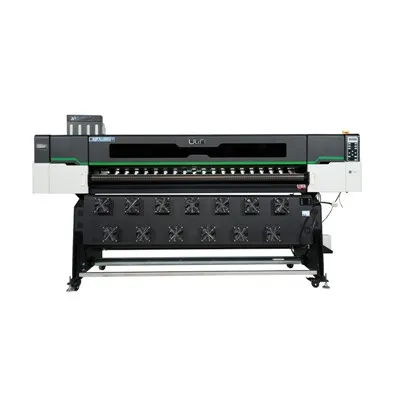
Hey there! I’m a supplier of Roll To Roll Heat Transfer Machines, and I’ve been in this industry for quite a while. Today, I wanna share with you the key points for transferring on leather surfaces using our awesome machines. Roll To Roll Heat Transfer Machine
Understanding the Leather
First things first, you gotta understand the leather you’re working with. Leather comes in different types, like genuine leather, synthetic leather, and faux leather. Each type has its own characteristics, and these can affect the heat transfer process.
Genuine leather, for example, is made from real animal hide. It’s a high – quality material, but it’s also more sensitive to heat. If you use too much heat when transferring, you can damage the leather, like making it discolored or even burnt. On the other hand, synthetic and faux leathers are man – made. They can generally withstand a bit more heat, but they also have different melting points depending on the materials used in their production.
So, before you start the transfer, take a close look at the leather. Check its texture, thickness, and any special treatments it might have. If you’re not sure, you can always do a small test transfer on a scrap piece of the same leather. This way, you can figure out the right settings for your machine and avoid any big mistakes.
Machine Settings
Now, let’s talk about the settings of the Roll To Roll Heat Transfer Machine. There are three main settings you need to pay attention to: temperature, pressure, and speed.
Temperature
Temperature is crucial. As I mentioned earlier, different types of leather need different temperatures for a successful transfer. For genuine leather, you usually want to keep the temperature on the lower side, around 150 – 180 degrees Celsius. This is because high temperatures can cause the leather to lose its natural texture and color.
Synthetic and faux leathers can handle higher temperatures. You can go up to 200 – 220 degrees Celsius for some types of synthetic leather. But again, it’s always best to test first. If the temperature is too low, the transfer won’t stick properly. If it’s too high, you’ll end up ruining the leather.
Pressure
Pressure also plays a big role. The right amount of pressure ensures that the transfer material adheres well to the leather surface. If the pressure is too light, the transfer might not stick at all or could come off easily. If it’s too heavy, it can cause the leather to distort or leave marks on it.
For most leather transfers, you’ll want to set the pressure to a medium – high level. But this can still vary depending on the type and thickness of the leather. Thicker leathers might need more pressure, while thinner ones need less. You can adjust the pressure on our Roll To Roll Heat Transfer Machine easily. Just keep an eye on how the transfer is going and make small adjustments as needed.
Speed
The speed at which the machine moves the leather through the transfer process is another important factor. If the speed is too fast, the transfer material might not have enough time to bond properly to the leather. If it’s too slow, you risk overheating the leather.
For general leather transfers, a medium speed usually works well. But if you’re dealing with a very detailed transfer or a type of leather that’s more sensitive, you might want to slow down a bit. And if you’re doing a simple, large – scale transfer on a more heat – resistant leather, you can speed it up a little.
Transfer Materials
The type of transfer material you use is also super important. There are different kinds of transfer papers and films available in the market, and not all of them are suitable for leather.
Compatibility
You need to make sure that the transfer material is compatible with leather. Some transfer papers might work better on fabrics but not so well on leather. Look for materials that are specifically designed for leather transfers. These materials are usually more flexible and can better adhere to the leather’s surface.
Quality
The quality of the transfer material also affects the final result. High – quality transfer papers and films will give you a clearer, more durable transfer. They’ll resist fading and peeling over time, which is especially important if you’re making products that need to last.
Design Considerations
When choosing a transfer material, think about the design you want to transfer. If it’s a very detailed design with lots of fine lines, you’ll need a transfer material that can reproduce those details accurately. Some materials are better at handling complex designs than others.
Preparation of Leather and Transfer Material
Proper preparation of both the leather and the transfer material is key to a successful transfer.
Leather
Before you start the transfer, clean the leather surface thoroughly. Remove any dirt, dust, or oil from it. You can use a mild leather cleaner and a soft cloth to do this. Make sure the leather is completely dry before proceeding. Any moisture on the leather can prevent the transfer from sticking properly.
Also, if the leather has any wrinkles or creases, try to smooth them out. You can use a leather conditioner or a steam iron on a low setting (if the leather can handle it) to make the surface as flat as possible.
Transfer Material
For the transfer material, make sure it’s free from any scratches or damages. If it’s printed, check the quality of the print. A good – quality print will ensure a clear and sharp transfer on the leather.
Cut the transfer material to the right size, leaving a little extra margin around the design. This will make it easier to align it on the leather and avoid any cutting mistakes during the transfer process.
Alignment and Positioning
Alignment and positioning of the transfer material on the leather are very important. You want the design to be in the right place and centered properly.
Tools
You can use some simple tools to help with alignment. A ruler or a straight edge can be used to measure and mark the position on the leather. If you’re transferring a design onto a curved surface, you might need to use a flexible measuring tape.
Technique
Place the transfer material on the leather gently and make sure it’s in the right position. You can use a piece of masking tape to hold it in place temporarily. Double – check the alignment from different angles to make sure everything looks right.
Post – Transfer Care
Once the transfer is done, you need to take good care of the leather product.
Cooling
Let the leather cool down naturally after the transfer. Don’t try to speed up the cooling process by using cold air or water, as this can cause the transfer to crack or peel.
Cleaning
After the leather has cooled, you can clean it using a gentle leather cleaner. Avoid using harsh chemicals or abrasive materials, as they can damage both the leather and the transfer.
Storage
Store the leather product in a cool, dry place. Avoid exposing it to direct sunlight or extreme temperatures for long periods, as this can cause the transfer to fade or the leather to deteriorate.

In conclusion, transferring on leather surfaces with a Roll To Roll Heat Transfer Machine involves a few key points. Understanding the leather, setting the machine correctly, choosing the right transfer material, proper preparation, alignment, and post – transfer care are all crucial steps.
Sublimation Printer If you’re interested in our Roll To Roll Heat Transfer Machines and have any questions about transferring on leather or other materials, don’t hesitate to reach out and start a conversation. We’re here to help you achieve the best results in your heat transfer projects.
References
- Leather Industry Handbook
- Heat Transfer Technology Manuals
Hangzhou Yulan Technology Co., Ltd.
Address: Building, No.128 Rihui Road, Linping District, Hangzhou, China.
E-mail: ulinprint@gmail.com
WebSite: https://www.ulinprinter.com/
