Hey folks, TPE
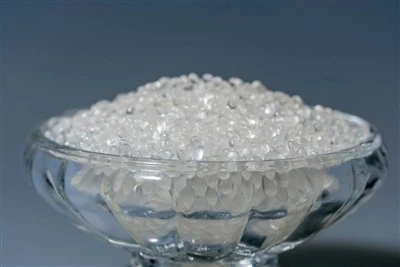
If you’ve ever wandered into a parts shop, a toy aisle, or even the grip of your phone case and thought “wait, what’s that weirdly flexible, stretchy, not-quite-plastic stuff that doesn’t crumble when I twist it?” Chances are you’ve encountered TPE. I’ve been selling TPE for 7 years now, and let me tell you, most people I talk to—from small toy makers to big automotive teams—have the same vague question: “What even is TPE, and why does it matter so much for my project?” No fancy lab jargon, just real talk from a supplier who’s fielded way too many confused customer calls about this stuff.
First off, let’s get the basics right. TPE stands for Thermoplastic Elastomer, and the simplest way to think about it is: it’s a mix between plastic and rubber. Like plastic, you can melt it down and reshape it, which is a huge win for manufacturers (no curing time, less waste than traditional rubber). Like rubber, it’s stretchy, bouncy, and doesn’t crack when you bend it. But here’s the thing—it’s not just “stretchy plastic.” It has specific properties that make it totally different from both of those materials, and those are the exact things my customers care about day to day.
Let’s start with the big one: processability. I can’t tell you how many clients come to us complaining about how rubber is a total pain to work with. You have to mix it with chemicals, let it cure for hours, and if you mess up, the whole batch is garbage. TPE? You run it through the same injection molding machines you use for regular plastic. No extra steps. Last quarter, we had a small customer making custom phone grips—they used to do rubber and had a 20% scrap rate from curing errors. Switched to our TPE, and that scrap rate dropped to under 3%. They saved so much time and money, they became a repeat customer within a month. Quick side note: not all TPE is equal, of course. We stock different grades for different machines, so just ask us what your setup is, we’ll point you to the right one.
Next up: the stretch and recovery. This is what makes TPE feel so intuitive to use. Traditional rubber has great memory, but it’s heavy and inflexible for molding. TPE can stretch anywhere from 100% to 1000% of its original length, depending on the grade I sell. And when you let go? It bounces back almost completely. No permanent stretch—unless you really yank it way beyond its limit, which is why we always tell customers to match the grade to their product’s intended use. For example, if you’re making a stretchy seal for a water bottle, you need a mid-range stretch grade. If you’re making a stress ball that gets squeezed a thousand times a day, we’ve got a high-recovery TPE that barely loses its bounce after a year of use. I’ve had a customer test our stress ball TPE by squeezing it 10,000 times in a row and the recovery was still at 95%—that’s the stuff.
Then there’s softness, and this is where TPE really shines. You can get TPE that’s as soft as a wet noodle (wait, no, maybe more like a squishy stress ball) up to something that feels almost like hard plastic—called Shore hardness. Shore A is the scale we use for soft stuff, Shore D for harder TPE. So if you want a soft, skin-like feel for a toy or a medical device (think: the grip on a blood pressure cuff), grab Shore A 20 to 40. If you need a durable edge for a laptop case, go for Shore D 50 to 70. The best part? You can even mix grades to get a custom softness, or blend it with plastic during molding for a hard-soft part—like a toothbrush handle where the grip is soft TPE and the rest is hard plastic. No extra bonding steps needed, it’s all one piece. That’s a game-changer for product design.
Chemical resistance is another big one, but here’s the catch: it’s not invincible. TPE stands up great to common household stuff—water, mild detergents, even a little bit of sunscreen. It’s also resistant to oils and greases, which is why so many automotive parts (like door seals or wiring insulation) use TPE. But I always warn customers: don’t use it with strong solvents, like acetone or bleach straight up. Acetone will eat right through it, bleach can discolor it. We test every batch we sell for chemical resistance, so if you’re working with specific chemicals, just send over what you’re using, we’ll tell you if our TPE will hold up or if we need to suggest a different grade. No guesswork, that’s our rule.
UV and weather resistance—this is the make-or-break for outdoor products. If you’re making patio furniture parts, garden hoses, or outdoor toy components, TPE can handle sun and rain, but again, not all grades. We sell UV-stabilized TPE specifically for outdoor use—those won’t fade, crack, or get brittle after a few months in the sun. A couple years back, a customer was making outdoor play set handles and used a cheap TPE from another supplier. By the end of the summer, the handles were all cracked and peeling. Switched to our UV-grade TPE, and they’ve had zero issues since. We test our outdoor TPE in a weather chamber for 1,000 hours (that’s about a year of real sun exposure) just to be sure.
Wait, let’s talk about something most people don’t think about: biocompatibility. A lot of my clients work in medical or personal care, and they need materials that won’t irritate skin or react with the body. We sell TPE grades that are FDA-approved for food contact (so you can use it for water bottles, baby bottle nipples, candy molds) and medical-grade TPE that’s safe for things like catheter components or surgical tool grips. I can’t stress enough how important it is to ask for the right grade if you’re working with food or medicine. We provide full documentation for every batch we sell, so you never have to worry about missing paperwork for regulatory checks.
Another property I love: low temperature flexibility. Traditional rubber gets brittle when it’s cold, like if you leave a hose outside in winter. TPE stays flexible even at sub-zero temperatures—like -40°F or lower, depending on the grade. That’s why so many industrial parts, like hoses for cold storage or outdoor equipment, use TPE. We have a customer in Canada who makes snow blower handles—they used to use plastic that would crack in -20°F weather. Switched to our low-temp TPE, and now they sell thousands of handles a year with zero cold cracking issues. It’s small stuff like that that makes TPE such a workhorse.
Now, let’s get real about the not-so-great parts, because I don’t want to oversell it. TPE isn’t as heat-resistant as other materials. Most grades start to soften around 200°F to 250°F, so you can’t use it for parts that get really hot, like oven handles. Also, it’s not as rigid as hard plastic, so if you need a super sturdy structural part, TPE might not be the best fit (though blending it with plastic can help). And like I said earlier, it’s not great with strong chemicals. But for 90% of the products my customers make—from toys to phone parts to automotive seals—it’s perfect.
Here’s the thing that always surprises people: TPE is also more eco-friendly than a lot of alternatives. Wait, why? Because it’s recyclable in the same stream as plastic. If you have a part made of only TPE, you can melt it down and reuse it, no extra processing needed. Traditional rubber is way harder to recycle, because of the curing process. Also, some TPE grades are now made with bio-based materials, like plant-based oils instead of petroleum. We’ve started carrying those bio-TPEs for customers who want a more sustainable option, and the feedback has been awesome. They work just as well as regular TPE, with a lower carbon footprint.
I’ve been in this game long enough to see trends come and go, but TPE’s staying power is obvious. Every week, I get a new customer who’s switching from rubber or silicone because of the cost, ease of processing, and performance. Silicone is great, but it’s way more expensive and needs high-temperature molding. TPE is cheaper, works on standard machines, and has almost similar flexibility and heat resistance for most uses.
But the biggest thing I want you to take away is this: TPE isn’t a one-size-fits-all material. Sure, you can grab a generic TPE off the shelf for a quick project, but if you’re making something that needs to last, perform well, or meet specific standards, you need the right grade. That’s where I come in—we’ve been testing TPE for years, we know the ins and outs of every grade we stock, and we don’t just sell you a product—we help you pick the right one for your needs.

If you’re working on a project, whether it’s a new toy part, a medical device prototype, or an automotive component, and you want to know if TPE is the right fit, or if you need a specific grade, hit us up for a procurement consultation. We’ll walk you through the properties, send you sample pieces (for free, by the way—we hate buying samples from other suppliers too), and help you get the right material without the hassle. No sales pitch, no confusing jargon, just real advice from someone who’s worked with TPE every single day for years.
TPE References:
- “Thermoplastic Elastomers: Properties and Applications”, Modern Plastics Encyclopedia, 2022
- “Biocompatibility of Medical-Grade Thermoplastic Elastomers”, Journal of Biomedical Materials Research, 2021
- “UV Resistance of TPE Grades for Outdoor Applications”, Polymer Testing Journal, 2020
- “Processability Advantages of TPE Over Cross-Linked Rubbers”, Manufacturing & Design News, 2023
Kunshan Kesun Polymer Co., Ltd.
Kunshan Kesun Polymer Co., Ltd. is one of the most professional TPE manufacturers and suppliers in China, featured by quality products and low price. Please feel free to wholesale bulk eco-friendly TPE from our factory. Contact us for customized service and free sample.
Address: No.108,Jinmao Road,Zhoushi Town,KunShan ,Jiangsu,China
E-mail: melody_yang@kesuntpe.com
WebSite: https://www.kesun-tpe.net/
