If you’ve ever set up a porch swing, a playground swing, or a patio swing set only to find that the cushions, chains, or mounting brackets you bought either hang too low, slip sideways, or feel totally unsafe, you know swing accessories only work when they fit perfectly. As someone who’s spent the last 12 years supplying swing accessories to families, campgrounds, and backyard play equipment brands, I’ve heard every horror story of wrong measurements: a porch swing cushion that sits lopsided because the seat width was miscalculated, a set of chains that pull the swing frame off the wall because the chain length was wrong, or a safety strap that’s too short to wrap around a heavy swing seat after a few seasons of use. The good news? Measuring for swing accessories isn’t rocket science—you just need to know what to measure, where to measure, and why each number matters for the specific accessory you’re buying. I’m not talking about pulling out a fancy industrial laser level (though a tape measure will work just fine) or overcomplicating things with 10 different tools. Let’s break this down step by step, no jargon, no confusion, and all based on the mistakes I’ve helped customers fix over and over. Swing Accessories

First, let’s start with the basics: you need the right measuring tools, and a few ground rules before you even pick up the tape. Most people grab the first tape they find in their junk drawer, but I always recommend a flexible, retractable tape measure (not a rigid yardstick) because you’ll be measuring curved surfaces, hanging lengths, and awkward angles that a straight stick can’t reach. Avoid soft fabric measuring tapes—they stretch, and even a tiny 1/4-inch stretch can make a chain or cushion too long or too short. Pro tip: if you don’t have a flexible tape, a piece of string and a ruler work too, but make sure the string is taut when you mark it. Also, measure twice. I can’t tell you how many customers order the wrong size because they rushed a measurement—one for the cushion, one for the swing frame, and it’s just human error to skip a second check. And never assume your swing is “standard size.” A lot of brands label swings as 48-inch, but 48 inches can mean the outer edge of the frame or the actual seat width, and that difference is what ruins your accessory.
Now, let’s go through the most common swing accessories, one by one, because measuring for a porch swing cushion is way different than measuring for swing chains or a mounting bracket. Let’s start with porch swing cushions, since that’s the most requested accessory we sell. When a customer comes to us asking for a replacement cushion, the first question I ask is: is this a swing that’s already hanging in your porch, or a new swing you haven’t bought yet? If it’s an existing swing, here’s the exact way to measure. For seat width: sit on the swing seat, don’t just lay the tape across the edge of the frame. The seat isn’t a straight rectangle for everyone—some have curved edges, some have armrests that stick out slightly. Hold your tape measure taut from the left inner edge of the seat to the right inner edge, right where your legs would sit. For seat depth: measure from the back of the seat (where your lower back rests) forward to the front edge of the seat, not including any overhang if there is one. For the backrest height: that’s a big one most people miss. A lot of cushions have a back panel, and if you measure only the height from the seat to the top of the frame, the cushion will be too short. Instead, measure from the top of the seat (where the cushion sits) up to where the backrest will touch your shoulders when you’re sitting. And if you want a cushion with side pockets for your phone or a drink, add 2 inches to your width measurement to give the pockets room to fit. I had a customer last year who measured the outer frame of her swing and ordered a 50-inch cushion for her 46-inch inner seat—she told me it hung over so far it kept getting caught under her porch rail every time she swung. That’s the mistake of measuring the wrong part, and it’s totally avoidable.
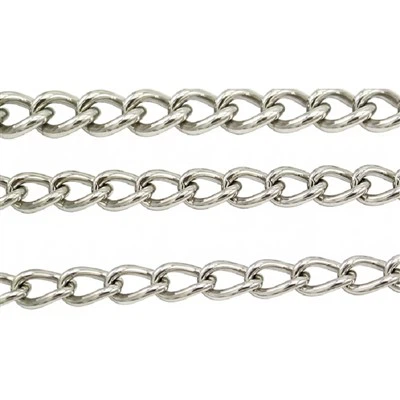
Next, swing chains and hangers. These are the most important accessories for safety, so getting the measurement right isn’t just about comfort—it’s about not having a swing that pulls loose. If you’re replacing old chains, first check why you’re replacing them. Are they rusted? Too loose? Too tight? If they’re rusted, measure the thickness of the existing chain links first. Swings use either 3/8-inch or 1/2-inch chain links for residential swings, and if you order a 3/8-inch chain for a swing rated for 500 pounds, it will bend over time, which is a safety hazard. To measure link thickness, wrap your tape measure around the widest part of one link (the metal part that curves) or measure the inside space of the link—most of our residential chains fit either, but it’s better to double-check. Now, for length: this is where people mess up the most. You don’t measure from the top of the swing seat to the bottom of the hanger and call it a day. You need to measure from the point where the hanger will attach to your ceiling, porch beam, or swing frame, down to the top of the swing seat. Wait, but—if your swing has a backrest, that point at the top of the seat might be different in the front vs. the back. For porch swings, which usually hang level, the front and back attachment points on the chains should be the same length, so pick the lowest point on the seat’s top edge as your guide. For playground or tree swings, which are often higher, make sure you add extra length if you plan to use it with a swing seat that has a backrest, or if you want to leave enough room to swing without hitting the ground. I always tell customers: measure the maximum length you want, and then you can shorten the chain later by linking the extra through the hanger. You can’t make a chain longer if you cut it too short. That’s a lesson I’ve had to repeat so many times.
Another common accessory is swing mounts: whether it’s a ceiling mount for a porch swing, a wall mount, or a stand mount for a freestanding swing set. Measuring for mounts is all about weight capacity and spacing, not just length. First, measure the weight of your swing seat. A standard wooden porch swing is 20-30 pounds, while a heavy-duty resin swing can be 50-70 pounds, and if you plan to add cushions or a person who weighs 250 pounds, you need a mount rated for at least 500 pounds total. But beyond weight, the spacing between the two mount points matters. For porch swings, the mounts should be spaced the same as the attachment points on the top of your swing seat. If your swing seat has attachment points 48 inches apart, don’t buy mounts that are 36 inches apart—they’ll pull the swing sideways every time someone sits down. That can not only damage the swing frame but also make it unsafe to use. For freestanding swing stands, measure the width of the stand’s top bar: most swings fit standard 60-inch or 48-inch top bars, but if you have a custom stand, you’ll need to confirm that measurement before ordering a mount.
Wait, what about swing accessories for kids’ swings or playground swings? That’s another area where measurements are different. Kids’ swing seats usually have a hole spacing of 6 inches between the two attachment points at the top, so if you’re replacing a seat, that’s the key measurement. And for safety, the length of the chain should be such that the bottom of the swing seat is 12-18 inches off the ground for younger kids, and 18-24 inches for older kids. A lot of parents cut their chains too short, which means their kid’s feet drag the ground when they swing, making it hard to get momentum, or even trip when they stop. That’s a super common mistake, and it’s totally fixable with a quick measurement.
I want to add a section about custom vs. standard accessories, because that’s where a lot of customers get confused. If you have a standard swing (most porch swings, standard playground swings, and patio swings are standard size), you can use generic measurements, but if you have a custom swing set—like a hand-built porch swing that’s 54 inches wide, or a vintage swing you inherited from your grandpa—you’ll need to get exact measurements to order custom cushions, chains, or mounts. For custom cushions, we can make them to within 1/2 inch of your measurements, so you don’t have to worry about gaps or overhang. For custom chains, we can adjust link length or add different connectors to fit unique swing frames.
Now, let’s talk about common mistakes to avoid, because I’ve seen every single one. First, measuring over objects. If your swing has a cushion on it, or if there’s a rug under the seat, move it. That extra thickness will throw off your depth or length measurement. Second, not accounting for hardware. When you’re measuring for a mount or a hanger, leave an extra 1 inch for any bolts or screws you’ll need to attach it. If you don’t, you might not have enough space to tighten the hardware, which is a safety issue. Third, assuming one size fits all. We get emails every week from customers who ordered a “universal” swing cushion and it’s too small, because “universal” for one brand is not universal for another. That’s why taking your own measurements is always better than trusting a product’s labeled size.
A quick side note: when I first started supplying swing accessories, I thought customers would have all their measurements right, but I learned that most people don’t even know where to start. So I created a simple checklist for every accessory we sell that tells you exactly where to measure, what numbers you need, and what to avoid. If you’re reading this and you’re not sure about your measurements, reach out to our team—we’ll walk you through it step by step, no pressure to buy, just help you get the right size.
At the end of the day, swing accessories don’t have to be complicated, but they do need to fit. Whether you’re updating your porch for summer, replacing a worn swing seat for the kids, or upgrading your backyard play set, the right measurements mean your accessories will last longer, be safer, and feel way more comfortable. Rushing a measurement can cost you time and money returning or exchanging items, but taking 5 minutes to measure correctly means you’ll enjoy your swing all season long, no surprises.
If you have questions about measuring for swing accessories, need help confirming a number, or want to browse our range of custom and standard swing cushions, chains, mounts, and more, our team is here to assist. We work with residential customers, small business owners, and playground operators to make sure every swing has the right accessories to keep it safe and functional for years.
Swing References:
- American National Standards Institute (ANSI) Standard Z215.1, Safety Requirements for Residential Playground Equipment
- Outdoor Furniture Manufacturers Association (OFMA) Guidelines for Porch Swing Cushion Sizing and Fit
- International Code Council (ICC) Residential Code for Mounting and Supporting Swing Seating
Pujiang Shenli Chain Co., Ltd.
We’re well-known as one of the most experienced swing accessories suppliers in China, featured by quality products and low price. Please feel free to buy discount swing accessories made in China here from our factory. Contact us for more details.
Address: No. 18, Zaifeng Road, Pujiang County, Zhejiang Province
E-mail: Chen@shenlichain.com
WebSite: https://www.chainshenli.com/
