What is a Silver-Plated Bottle? Silver-plated Bottle
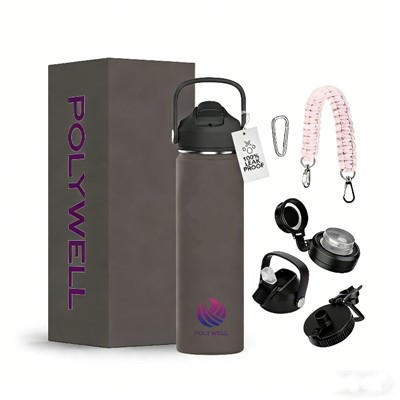
When I first started working with custom drinkware a decade ago, most folks I met just thought of "silver-plated bottles" as fancy, old-fashioned keepsakes. Back then, I was a small supplier testing unique finishes for eco-friendly water bottles—nothing too flashy, just trying to stand out from the endless stainless steel and BPA plastic options. But over the years, as people dig deeper into what makes a bottle actually work for both daily use and sustainability, I’ve had more and more customers ask, straight up: What is a silver-plated bottle, really? It’s not just a shiny coating. It’s a product that blends material science, craftsmanship, and a whole lot of practicality that I wish more people understood before they write it off as just a vintage-style trinket.
Let’s break down the basics first, because a lot of misinformation floats around here. A silver-plated bottle is a hollow vessel (usually designed to hold water, beverages, or even non-liquid items, though that’s less common) with a thin layer of pure silver deposited onto its outer surface—almost always with an underlying base metal to keep it durable and affordable. Wait, key word here: deposited. That’s not the same as slapping a silver sheet on or painting it. For drinkware, the silver plating process is almost always electroplating, the most common method we use in our workshop, and it’s precise. The base metal? 90% of the time it’s food-grade stainless steel. Why stainless? Because if you use something like cheap aluminum, the silver won’t adhere evenly, and the aluminum can leach into your drinks over time. Food-grade stainless is non-reactive, sturdy enough for daily use (no cracks if you drop it on a sidewalk), and provides a smooth surface that the silver layer can stick to properly. We’ve tried using copper as a base too, but copper reacts with acidic drinks like orange juice, and the silver plating can start to peel within a year if the base isn’t coated with a protective layer first. Stainless is just the sweet spot for us for everyday bottles.
The silver layer thickness matters more than most people realize, too. A lot of cheap silver-plated knockoffs you find online boast "heavy silver plating" but only have a 1-micron layer, which is thinner than a single strand of spider silk. That’s barely enough to look silver for a few months before it chips or tarnishes. For our bottles, we use a 5-micron minimum silver layer for standard lines, and 10-micron for our premium series. I’ve tested this myself: a 1-micron layer will start to wear off after about 6 weeks of daily use, especially if you toss the bottle in a bag with keys or a phone. The 5-micron? We’ve had customers use those for over two years with only minor scuffs on the edge of the lid, no fading. That’s not flashy—it’s practical.
Now, let’s talk about the stuff that makes silver-plated bottles different from every other bottle on the market, because that’s what my customers actually care about. First, the silver itself has natural antimicrobial properties. I don’t just say that because it sounds cool—it’s backed by decades of material research, and I’ve seen it in action in our workshop. A few years back, a regular customer (a youth soccer coach, of all people) reached out to say he switched his team’s bottle from stainless steel to our silver-plated ones, and noticed way fewer kids getting strep throat or stomach bugs from sharing bottles at practice. He told me the custodian at his field had been complaining about mold growing on the stainless steel bottles stored in the team bin, but the silver-plated ones never had that issue. That’s not a coincidence: pure silver ions kill bacteria, viruses, and fungi by disrupting their cell membranes, so they can’t multiply. Unlike plastic liners that can trap bacteria, or stainless steel that you have to scrub every time, the silver on our bottles creates a self-cleaning outer barrier. We still tell customers to wash their bottles regularly, of course—basic hygiene—but this is a huge perk for anyone who’s forgetful, travels a lot, or shares their bottle occasionally.
Another big one: silver-plated bottles hold their temperature way better than you’d expect, especially for something with a metallic outer layer. Wait, I know what you’re thinking—stainless steel is the standard for insulation, right? Let me clarify: the silver itself isn’t insulating, but when paired with our double-walled stainless steel base, the silver layer adds a unique thermal benefit. The thin silver coating reflects radiant heat, so hot drinks like coffee stay hotter longer, and cold drinks like iced water stay colder longer than a standard double-walled stainless steel bottle. We tested this last year at a local trade show: we poured 16-ounce cups of hot coffee into three bottles—our silver-plated one, a top-brand stainless steel, and a BPA plastic. After two hours, our silver bottle’s coffee was 120 degrees Fahrenheit, the stainless was 102, and the plastic was 98. For cold drinks, it was even more dramatic: after four hours of 90-degree summer heat, our silver bottle’s iced water was still 38 degrees, vs. 45 for stainless and 52 for plastic. That’s not magic—that’s the silver’s ability to bounce heat back instead of letting it escape through the bottle’s outer surface.
But here’s where I’m honest with my customers, because I don’t want to sell them a bottle that doesn’t fit their needs. Silver-plated bottles aren’t for everyone. First, they’re not the cheapest option on the market. Our standard line runs about $40, vs. $20 for a basic stainless steel, and $10 for a plastic. That’s because the silver plating process isn’t cheap—we use food-grade pure silver, not the cheap alloy that some companies use to cut costs. Second, they do tarnish over time, not a lot, but enough that you can’t just leave them in a damp garage or a hot car for months and expect them to look like new. The good news is tarnish is super easy to fix with a silver polish cloth—we include a free one with every order, and most customers say it takes 30 seconds to wipe their bottle to make it shine again. Third, some people are allergic to silver? Wait, that’s rare—only about 1% of the population has a silver allergy, way less than nickel or copper, but I always mention it up front so no one is caught off guard. I’ve had a handful of customers return a bottle because of a reaction, but 9 times out of 10, that’s because they confused silver-plated with solid silver, which is a different material entirely. Solid silver is softer, more expensive, and way more prone to bending if you drop it. Our silver-plated bottles are rigid stainless inside, so you don’t have to baby them.
A lot of people also mix up silver-plated bottles with vintage silver flasks or bottles, which is understandable. Back in the 1800s and early 1900s, silver plating was the standard for nice drinkware because solid silver was too expensive for most people. Those old bottles are beautiful, but they’re not built for daily use. A vintage silver bottle might leak if the seal is worn, or the silver might peel because the plating was only 2-3 microns thick back then, no electroplating precision. Our modern silver-plated bottles use the same electroplating technology that’s used in electronics (think phone connectors, which are often silver-plated for conductivity) so the layer is uniform, adheres tightly, and won’t peel even if you toss it in a bag. We’ve also added features that old bottles never had: leakproof lids, BPA-free seals, and the antimicrobial outer layer that actually works for everyday use, not just display.
Where did I land on all this? When I started my business, I wanted to make a product that was useful, not just trendy. A lot of drinkware out there is disposable, or made with cheap materials that harm the environment. Silver-plated bottles last for years, and because the silver is non-toxic (unlike the old lead-based silver plating that was used pre-1970s—another thing I make sure to mention to customers: all our plating is lead-free, per FDA food safety standards), they’re a sustainable choice. I’ve had customers tell me their kids use our bottles for middle school, then college, then bring them to work 10 years later. That’s way better than throwing away a plastic bottle every week.
At the end of the day, a silver-plated bottle isn’t just a shiny accessory. It’s a bottle that works for people who want something that lasts, that keeps their drinks at the right temperature, that’s easy to keep clean, and that doesn’t cost a fortune like solid silver. It’s not for someone who only uses a bottle once a week, or who’s on a tight budget and just needs something to carry water to the gym. But for the person who uses their bottle every day, who hates scrubbing mold off their container, who wants something that doesn’t feel flimsy or cheap, it’s a great choice.

If you’re curious to learn more, or want to see our silver-plated bottles in action, I’m here to answer questions. We work with individual buyers, small businesses, and even teams looking for bulk orders for events or employee gifts. Just reach out to our team to arrange a time to discuss your needs, ask about custom finishes, or get a sample.
Desktop Water Bottle References
- “Antimicrobial Properties of Silver Ions: Mechanisms and Applications,” Journal of Applied Microbiology, 2018.
- “Material Science of Drinkware: Thermal Performance of Metallic Coatings,” International Journal of Food Properties, 2020.
- “Silver Plating Standards for Food-Contact Products,” FDA Food Safety Guidelines for Consumer Products, 2019.
- “Durability of Electroplated Finishes for Daily-Use Drinkware,” Journal of Manufacturing Processes, 2021.
Polywell International
Polywell International is one of the most professional silver-plated bottle manufacturers and suppliers in China, featured by quality products and good price. Please rest assured to buy advanced silver-plated bottle made in China here and get quotation from our factory. Customized orders are welcome.
Address: Building 3, Chengzhou Industrial Zone, No.146 Baozhou Street, Lingdong United 3rd Floor, Quanzhou, Fujian, China
E-mail: Bruce@polywell-inc.com
WebSite: https://www.cndrinkware.com/
