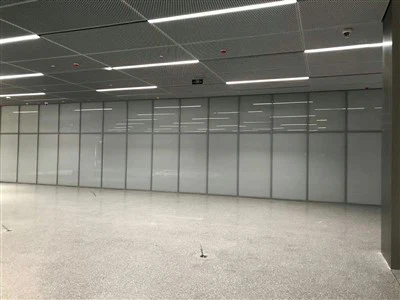
As a supplier of office glass partitions, I’ve witnessed firsthand how these partitions play a crucial role in office environments, especially when it comes to handling temperature changes. In this blog, I’ll share insights based on my experience and industry knowledge about how office glass partitions manage temperature variations and why they are an excellent choice for modern workplaces. Office Glass Partitions
Understanding the Basics of Temperature Changes in Office Spaces
Before delving into how office glass partitions handle temperature changes, it’s essential to understand the nature of temperature variations in office settings. Offices are subject to a range of factors that can affect temperature, including external weather conditions, internal heat sources such as computers and lighting, and the number of occupants. These factors can lead to significant temperature fluctuations throughout the day, making it challenging to maintain a comfortable working environment.
The Role of Office Glass Partitions in Temperature Management
Office glass partitions are not just aesthetically pleasing; they also contribute to effective temperature management in several ways.
Insulation Properties
One of the primary ways office glass partitions handle temperature changes is through their insulation capabilities. High – quality glass partitions are often made with double – or triple – glazed glass. Double – glazed glass consists of two panes of glass separated by a layer of air or an insulating gas, such as argon. This design reduces heat transfer between the interior and exterior of the office.
In colder months, the insulating layer helps to keep the warm air inside the office, reducing the need for excessive heating. Conversely, in warmer months, it prevents the heat from outside from entering the office, thus reducing the load on air – conditioning systems. This insulation property not only improves the comfort of the office environment but also leads to energy savings.
Solar Control
Another important aspect of temperature management is solar control. Office glass partitions can be treated with special coatings to control the amount of solar radiation that enters the office. These coatings are designed to reflect or absorb a significant portion of the sun’s heat, reducing the amount of heat gain inside the office.
For example, low – emissivity (Low – E) coatings are commonly used on office glass partitions. These coatings reflect infrared radiation, which is the primary source of heat from the sun. By reducing the amount of infrared radiation that enters the office, Low – E coatings help to keep the office cooler during hot summer days.
Ventilation and Airflow
Office glass partitions can also be designed to facilitate ventilation and airflow. Some glass partitions are equipped with operable windows or vents that allow fresh air to enter the office. This natural ventilation helps to regulate the temperature by removing stale air and bringing in cooler, fresh air.
In addition, proper airflow can help to distribute heat evenly throughout the office. By strategically placing glass partitions and vents, it’s possible to create a more balanced temperature distribution, reducing hot and cold spots in the office.
Case Studies: Real – World Examples of Temperature Management with Office Glass Partitions
To illustrate the effectiveness of office glass partitions in handling temperature changes, let’s look at a few real – world case studies.
Case Study 1: A High – Rise Office Building
In a high – rise office building in a major city, the management decided to install glass partitions in the open – plan offices. The glass partitions were double – glazed with Low – E coatings. Before the installation, the offices experienced significant temperature variations, with some areas being too hot and others too cold.
After the installation of the glass partitions, the temperature in the offices became more stable. The insulation properties of the double – glazed glass reduced heat transfer, and the Low – E coatings effectively blocked solar radiation. As a result, the energy consumption for heating and cooling decreased by 20%, and the employees reported a more comfortable working environment.
Case Study 2: A Green Office
A sustainable office in a suburban area opted for glass partitions with integrated ventilation systems. The partitions were designed to allow natural air to flow through the office, reducing the reliance on mechanical ventilation.
During the summer, the operable windows in the glass partitions were opened to let in fresh air, and the internal temperature was maintained at a comfortable level without the need for excessive air – conditioning. In the winter, the insulation of the glass partitions helped to keep the office warm, reducing the heating requirements. This green approach not only improved the temperature management but also contributed to the overall sustainability of the office.
Factors to Consider When Choosing Office Glass Partitions for Temperature Management
When selecting office glass partitions for temperature management, there are several factors to consider.
Glass Type and Quality
The type and quality of the glass used in the partitions are crucial. As mentioned earlier, double – or triple – glazed glass with appropriate insulating properties is recommended. Additionally, the quality of the glass affects its durability and performance over time. High – quality glass is less likely to develop cracks or fogging, which can compromise its insulation capabilities.
Coating Options
The choice of coatings can significantly impact the temperature management of the office. Low – E coatings are a popular choice for solar control, but there are also other types of coatings available, such as anti – glare and self – cleaning coatings. Consider the specific needs of the office, such as the orientation of the building and the amount of sunlight it receives, when selecting the coating.
Design and Installation
The design and installation of the glass partitions also play a role in temperature management. Proper installation ensures that there are no gaps or leaks in the partitions, which can allow heat to escape or enter the office. Additionally, the design should take into account the airflow and ventilation requirements of the office.
Conclusion
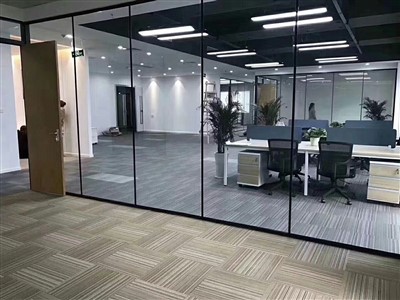
Office glass partitions are an effective solution for handling temperature changes in office spaces. Their insulation properties, solar control capabilities, and ability to facilitate ventilation make them an ideal choice for creating a comfortable and energy – efficient working environment.
Operable Partitions If you’re considering installing office glass partitions in your workplace, I encourage you to reach out to discuss your specific needs. Our team of experts can help you choose the right glass partitions for your office, taking into account factors such as temperature management, aesthetics, and budget. Contact us to start the conversation and take the first step towards a more comfortable and efficient office space.
References
- ASHRAE Handbook of Fundamentals. American Society of Heating, Refrigerating and Air – Conditioning Engineers.
- "Energy – Efficient Glazing Systems for Buildings" by Lawrence Berkeley National Laboratory.
- "The Impact of Glass Partitions on Indoor Environmental Quality" in Journal of Building and Environment.
Dasheng Partition Building Materials Co., Ltd.
As one of the most professional office glass partitions manufacturers and suppliers in China, we’re featured by quality products and good service. Please rest assured to buy customized office glass partitions at competitive price from our factory.
Address: No. 41, West Line East Road, Shizigang Industrial Zone, Dashi Community, Lishui Town, Nanhai District, Foshan City, Guangdong Province, P.R. China
E-mail: dsmobilewall@gmail.com
WebSite: https://www.movablewall.net/
