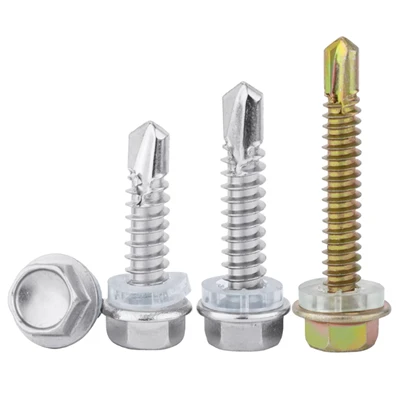
As a supplier of hex bolts, I’ve often been asked about the corrosion resistance of these essential fasteners. Corrosion resistance is a critical factor in determining the performance and longevity of hex bolts, especially in various industrial and construction applications. In this blog, I’ll delve into what corrosion resistance means for hex bolts, the factors that influence it, and how we ensure our products meet high – quality standards in this regard. Hex Bolt
Understanding Corrosion and Its Impact on Hex Bolts
Corrosion is a natural process that involves the deterioration of metals due to chemical reactions with their environment. For hex bolts, corrosion can have severe consequences. It can weaken the bolt’s structure, reducing its strength and load – bearing capacity. In extreme cases, corroded bolts can fail, leading to safety hazards in structures and machinery.
There are different types of corrosion that hex bolts may encounter. One common type is rust, which occurs when iron in the bolt reacts with oxygen in the presence of moisture. Rust is a form of oxidation that can cause the surface of the bolt to flake and crumble. Another type is galvanic corrosion, which happens when two different metals are in contact in an electrolyte (such as water). The more reactive metal will corrode at an accelerated rate.
Factors Affecting the Corrosion Resistance of Hex Bolts
Material Composition
The material of the hex bolt is one of the most significant factors influencing its corrosion resistance. We offer hex bolts made from a variety of materials, each with its own corrosion – resistant properties.
- Carbon Steel: Carbon steel is a popular choice for hex bolts due to its high strength and relatively low cost. However, it is prone to rusting. To improve its corrosion resistance, carbon steel bolts are often coated or treated. For example, they can be galvanized, which involves applying a layer of zinc to the surface of the bolt. The zinc acts as a sacrificial anode, corroding in place of the steel.
- Stainless Steel: Stainless steel is known for its excellent corrosion resistance. It contains chromium, which forms a passive oxide layer on the surface of the bolt. This layer protects the underlying metal from further oxidation. Different grades of stainless steel offer varying levels of corrosion resistance. For instance, 304 stainless steel is commonly used in general – purpose applications, while 316 stainless steel, which contains molybdenum, is more resistant to corrosion in harsh environments such as marine settings.
- Alloy Steel: Alloy steel bolts are made by adding other elements to carbon steel to enhance its properties. Some alloying elements, such as nickel and copper, can improve corrosion resistance. Alloy steel bolts are often used in applications where high strength and good corrosion resistance are required, such as in automotive and aerospace industries.
Coating and Surface Treatment
In addition to the base material, the coating and surface treatment of hex bolts play a crucial role in corrosion resistance.
- Galvanizing: As mentioned earlier, galvanizing is a widely used method to protect carbon steel bolts from corrosion. There are two main types of galvanizing: hot – dip galvanizing and electro – galvanizing. Hot – dip galvanizing involves immersing the bolts in a bath of molten zinc. This process creates a thick and durable zinc coating that provides long – term protection. Electro – galvanizing, on the other hand, uses an electric current to deposit a thin layer of zinc onto the bolt’s surface. It is a more cost – effective option but may not offer the same level of protection as hot – dip galvanizing.
- Powder Coating: Powder coating is another popular surface treatment. It involves applying a dry powder to the bolt and then baking it to form a hard, protective layer. Powder coatings can be customized to provide different levels of corrosion resistance and can also offer aesthetic benefits.
- Phosphate Coating: Phosphate coatings are often used as a base for other coatings or as a standalone corrosion – resistant treatment. They create a porous surface that can hold lubricants and other protective substances, improving the bolt’s corrosion resistance and reducing friction.
Environmental Conditions
The environment in which the hex bolts are used has a significant impact on their corrosion resistance.
- Humidity: High humidity levels increase the likelihood of corrosion. Moisture in the air provides the necessary medium for chemical reactions to occur. In areas with high humidity, such as coastal regions or indoor environments with poor ventilation, it is essential to choose hex bolts with high corrosion resistance.
- Chemical Exposure: Hex bolts may be exposed to various chemicals in industrial settings. Acids, alkalis, and salts can accelerate corrosion. For example, in a chemical plant, bolts used in equipment that comes into contact with corrosive chemicals need to be made from materials or have coatings that can withstand these substances.
- Temperature: Extreme temperatures can also affect corrosion. High temperatures can increase the rate of chemical reactions, while low temperatures can cause moisture to condense on the bolt’s surface, promoting corrosion.
Our Approach to Ensuring Corrosion Resistance
As a hex bolt supplier, we take several steps to ensure that our products have excellent corrosion resistance.
- Quality Material Selection: We source high – quality materials from reliable suppliers. Whether it’s carbon steel, stainless steel, or alloy steel, we carefully select the materials based on their chemical composition and mechanical properties to ensure they meet the required corrosion – resistant standards.
- Advanced Coating and Treatment Processes: We use state – of – the – art coating and surface treatment technologies. Our galvanizing process is carefully controlled to ensure a uniform and thick zinc coating. We also offer a variety of powder coating options to meet different customer requirements.
- Rigorous Testing: Before our hex bolts are shipped to customers, they undergo rigorous testing for corrosion resistance. We use methods such as salt spray testing to simulate harsh environmental conditions and evaluate how well the bolts can withstand corrosion over time.
Importance of Corrosion – Resistant Hex Bolts in Different Industries
The need for corrosion – resistant hex bolts varies across different industries.
- Construction Industry: In construction, hex bolts are used to connect structural components. Corrosion – resistant bolts are essential to ensure the long – term stability and safety of buildings and bridges. For example, in coastal areas, where the air contains salt, using stainless steel or galvanized bolts can prevent corrosion and extend the lifespan of the structure.
- Automotive Industry: Hex bolts are used in various parts of a vehicle, from the engine to the chassis. Corrosion – resistant bolts are crucial to prevent mechanical failures and ensure the reliability of the vehicle. In addition, they can also enhance the aesthetic appearance of the vehicle by preventing rust spots.
- Marine Industry: The marine environment is extremely corrosive due to the presence of saltwater. Hex bolts used in ships, offshore platforms, and other marine structures need to have high corrosion resistance. Stainless steel and specially coated bolts are commonly used in this industry to withstand the harsh conditions.
Conclusion
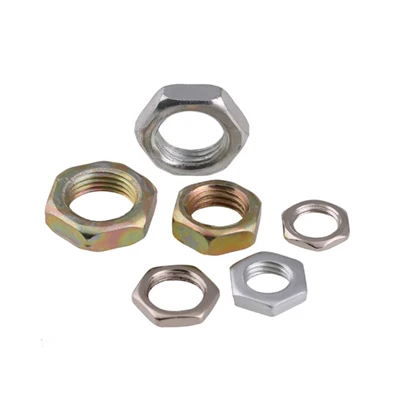
Corrosion resistance is a vital characteristic of hex bolts. It affects the performance, safety, and longevity of the bolts in various applications. As a hex bolt supplier, we understand the importance of providing high – quality, corrosion – resistant products. By carefully selecting materials, using advanced coating and treatment processes, and conducting rigorous testing, we ensure that our hex bolts can meet the demands of different industries and environments.
Hex Bolt If you are in need of hex bolts with excellent corrosion resistance, we would be more than happy to discuss your requirements. Our team of experts can help you choose the right type of hex bolts based on your specific application and environmental conditions. Contact us today to start a procurement discussion and find the best hex bolt solutions for your needs.
References
- ASM Handbook Volume 13A: Corrosion: Fundamentals, Testing, and Protection
- ASTM International standards related to corrosion testing and bolt materials
- “Corrosion of Metals” by Uhlig and Revie
Handan Dongchao Hardware Products Co., Ltd.
As one of the most professional hex bolt manufacturers and suppliers in China, we have world-leading production equipment and strong manufacturing capabilities. Please feel free to wholesale bulk high quality hex bolt in stock here and get pricelist from our factory. Customized orders are welcome.
Address: West of Xiaobeizhuang Village, South of Beizhangzhuang Village, Hanshan District, Handan City
E-mail: david@dcscrews.com
WebSite: https://www.dc-screws.com/
