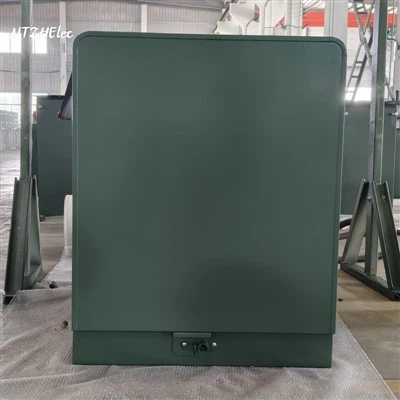
Calibrating a monitoring system for a pole-mounted transformer oil tank is a critical task that directly impacts the reliability and safety of the power distribution system. As a seasoned supplier of pole-mounted transformer oil tanks, I have witnessed firsthand the importance of accurate calibration. In this blog post, I’ll share my insights and experiences on how to effectively calibrate such a monitoring system. Pole Mounted Transformer Oil Tank
Understanding the Basics
Before delving into the calibration process, it’s essential to understand the purpose of a monitoring system for a pole-mounted transformer oil tank. The primary function of this system is to continuously monitor various parameters of the transformer oil, such as temperature, level, and pressure. By detecting any abnormal changes in these parameters, the monitoring system can alert maintenance personnel to potential problems, allowing them to take preventive measures before a failure occurs.
Pre – calibration Preparations
Selecting the Right Equipment
The first step in the calibration process is to ensure that you have the right equipment. This includes a set of calibrated reference sensors, which are used to compare the readings of the monitoring system’s sensors. The reference sensors should have a high degree of accuracy and reliability. For temperature measurement, a precision thermocouple can be used as a reference. For oil level monitoring, a float – type level gauge with a known accuracy can serve as a standard.
Familiarizing with the Monitoring System
It’s crucial to have a thorough understanding of the monitoring system’s architecture and operation. Read the system’s user manual carefully to learn about its sensor types, measurement ranges, and communication protocols. Different monitoring systems may have different calibration procedures, so make sure you are familiar with the specific requirements of your system.
Safety Precautions
Working on a pole – mounted transformer oil tank involves certain risks, such as electrical hazards and exposure to oil. Always follow strict safety protocols. Wear appropriate personal protective equipment (PPE), including safety glasses, gloves, and a hard hat. Before starting any work, ensure that the transformer is de – energized and properly grounded.
Calibration Process
Temperature Calibration
- Sensor Installation: First, install the reference temperature sensor as close as possible to the monitoring system’s temperature sensor inside the oil tank. Make sure both sensors are in good contact with the oil to ensure accurate temperature measurement.
- Data Collection: Allow the system to stabilize for a sufficient period, usually at least 30 minutes, to ensure that the temperature readings are consistent. Then, record the temperature readings from both the reference sensor and the monitoring system’s sensor at regular intervals, say every 5 minutes, for a period of at least 1 hour.
- Calculating the Offset: Calculate the difference between the readings of the reference sensor and the monitoring system’s sensor. If the monitoring system’s sensor consistently reads higher or lower than the reference sensor, this difference is the offset.
- Adjusting the Calibration: Most modern monitoring systems allow for calibration adjustments through their software interfaces. Enter the calculated offset into the system to correct the temperature readings. After making the adjustment, repeat the data collection process to verify the accuracy of the calibration.
Oil Level Calibration
- Initial Setup: Use the reference level gauge to measure the actual oil level in the tank. Make sure the tank is in a stable state, without any agitation or movement that could affect the oil level.
- Comparing Readings: Compare the reading of the reference level gauge with the reading of the monitoring system’s level sensor. If there is a discrepancy, note down the difference.
- Calibration Adjustment: Similar to temperature calibration, the monitoring system’s software can usually be used to adjust the level sensor’s calibration. Enter the appropriate correction factor based on the difference between the two readings.
- Verification: After the adjustment, take additional level measurements using both the reference gauge and the monitoring system’s sensor to confirm the accuracy of the calibration.
Pressure Calibration
- Connecting the Reference Pressure Gauge: Connect a calibrated reference pressure gauge to the same pressure port as the monitoring system’s pressure sensor. Make sure all connections are tight and leak – free.
- Pressure Measurements: Apply a known pressure to the system, either by using a pressure – generating device or by simply observing the normal operating pressure. Record the pressure readings from both the reference gauge and the monitoring system’s sensor.
- Calibration Correction: If there is a difference between the two readings, calculate the correction factor and enter it into the monitoring system’s calibration settings.
- Final Check: Repeat the pressure measurement process at different pressure levels to ensure that the monitoring system’s pressure readings are accurate across the entire measurement range.
Post – calibration Verification
After completing the calibration process for all parameters, it’s essential to conduct a comprehensive verification. This involves monitoring the system for an extended period, typically 24 to 48 hours, to ensure that the calibrated sensors are providing accurate and consistent readings. Compare the readings of the monitoring system with the expected values based on historical data and the known operating conditions of the transformer.
Importance of Regular Calibration
Regular calibration of the monitoring system is crucial for maintaining the integrity of the pole – mounted transformer oil tank. Over time, sensors can drift due to factors such as temperature variations, mechanical stress, and aging. By calibrating the system at regular intervals, say annually or semi – annually, you can ensure that the monitoring system continues to provide accurate data, enabling timely detection of potential problems.
Conclusion
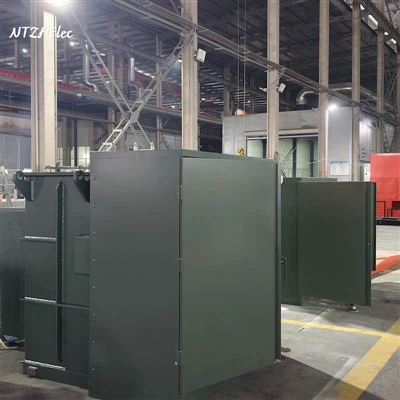
Calibrating a monitoring system for a pole – mounted transformer oil tank is a complex but essential task. As a supplier of these oil tanks, I understand the importance of ensuring that the monitoring systems are functioning accurately. A well – calibrated monitoring system not only enhances the safety and reliability of the power distribution system but also extends the lifespan of the transformer.
Transformer Radiator If you are in the market for high – quality pole – mounted transformer oil tanks or need assistance with the calibration of monitoring systems, I encourage you to reach out to our team. We have the expertise and experience to provide you with the best solutions for your needs.
References
- IEEE Standards Association. "IEEE Guide for Monitoring Power Transformer Liquid Levels."
- International Electrotechnical Commission (IEC). "IEC 60076 – 14: Power Transformers – Part 14: Loading Guide for Oil – Immersed Power Transformers."
- Manufacturer’s manuals for pole – mounted transformer oil tank monitoring systems.
Nantong Zhihe Electric Co., Ltd.
As one of the most professional pole mounted transformer oil tank manufacturers and suppliers in China, we’re featured by quality products and low price. Please rest assured to wholesale cheap pole mounted transformer oil tank made in China here from our factory. Customized orders are welcome.
Address: NO.202 Jianghai West Road, Hai’an Town, Hai’an City, Jiangsu Province
E-mail: colt.ntzh@gmail.com
WebSite: https://www.ntzhelectric.com/
