What is the maximum temperature a Double Moving Plate Cold Press can withstand?
As a supplier of Double Moving Plate Cold Presses, I’ve been frequently asked about the maximum temperature these machines can tolerate. This is a crucial question, as understanding the temperature limits is essential for ensuring the safe and efficient operation of the equipment. Double Moving Plate Cold Press
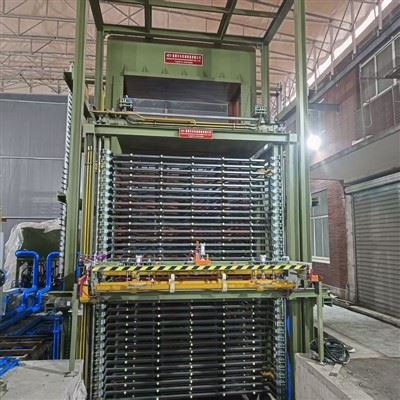
The Basics of a Double Moving Plate Cold Press
Before delving into the temperature limits, let’s first understand what a Double Moving Plate Cold Press is and how it functions. A Double Moving Plate Cold Press is a sophisticated piece of machinery commonly used in various industries, including rubber, plastic, and composites manufacturing. Its primary function is to apply pressure to a workpiece at a relatively low temperature (compared to hot presses) to achieve specific shapes, consolidate materials, or perform molding operations.
The two moving plates in the press can be adjusted independently to apply uniform pressure across the workpiece. This design allows for greater flexibility and precision in the pressing process, making it suitable for a wide range of applications.
Temperature Tolerance Factors
The maximum temperature a Double Moving Plate Cold Press can withstand is influenced by several factors, including the materials used in its construction, the type of lubricants and seals, and the design of its cooling system.
- Material Selection: The components of a Double Moving Plate Cold Press are typically made from high – strength metals and alloys, such as steel and aluminum. These materials have different thermal properties, and their ability to withstand high temperatures varies. For example, steel generally has a higher melting point and better heat – resistance compared to aluminum. However, the specific grade of steel used also matters. Alloy steels with added elements like chromium, nickel, and molybdenum can have enhanced heat – resistance properties. The framework, platens, and hydraulic cylinders are usually made from these metals, and their quality and design determine how well the press can handle heat.
- Lubricants and Seals: Lubricants are essential for the smooth operation of the press’s moving parts. They reduce friction and wear, and also help in dissipating heat to some extent. However, most lubricants have a limited temperature range within which they can function effectively. High temperatures can cause lubricants to break down, lose their viscosity, and stop providing adequate lubrication. This can lead to increased friction, overheating, and even damage to the moving parts. Similarly, seals used in hydraulic systems and around the platens are also sensitive to temperature. At high temperatures, seals can expand, contract, or become brittle, leading to leaks and loss of pressure.
- Cooling System Design: A well – designed cooling system is crucial for maintaining the optimum temperature of the press. Cooling systems can use water, air, or a combination of both to remove excess heat generated during the pressing process. Water – cooled systems are more efficient in removing heat as water has a high specific heat capacity. They typically circulate water through channels in the platens and other heat – generating components. Air – cooled systems, on the other hand, use fans to blow air over the hot surfaces, dissipating heat into the surrounding environment. The capacity and efficiency of the cooling system directly affect the maximum temperature the press can withstand.
Typical Temperature Limits
Based on our experience and the specifications of the Double Moving Plate Cold Presses we supply, the typical maximum temperature these machines can withstand ranges from 60°C to 80°C. This temperature range is suitable for most cold – pressing applications, where the goal is to shape or consolidate materials without relying on high temperatures.
In applications where a slightly higher temperature is required, such as in the molding of some thermoplastic composites, our presses can be customized to handle temperatures up to 120°C. This is achieved by using high – temperature – resistant materials for the components, specialized lubricants, and an upgraded cooling system.
It’s important to note that operating the press near or at its maximum temperature limit for extended periods can accelerate wear and tear on the components. Therefore, it’s recommended to maintain the operating temperature well below the maximum limit to ensure the longevity and reliability of the equipment.
Monitoring and Controlling Temperature
To ensure that the press operates within the safe temperature range, we provide our customers with advanced temperature monitoring and control systems. These systems use sensors placed at critical points in the press, such as the platens and the hydraulic system, to measure the temperature in real – time. The data is then transmitted to a control panel, where operators can monitor the temperature and take appropriate action if necessary.
If the temperature starts to approach the maximum limit, the control system can activate the cooling system to lower the temperature. In some cases, it can also adjust the operating parameters of the press, such as reducing the pressure or the cycle time, to prevent overheating.
Importance of Staying within Temperature Limits
Staying within the temperature limits is not only crucial for the safety and reliability of the press but also for the quality of the products being manufactured. Exceeding the maximum temperature can cause several problems, including:
- Material Degradation: In rubber and plastic applications, high temperatures can cause the material to degrade, resulting in changes in its mechanical properties. This can lead to products that are brittle, have reduced strength, or do not meet the required specifications.
- Component Failure: As mentioned earlier, high temperatures can cause lubricants to break down and seals to fail. This can lead to leaks, loss of pressure, and eventually, component failure. Repairing or replacing these components can be time – consuming and expensive.
- Safety Risks: Overheating can also pose safety risks to the operators. Hot components can cause burns, and in extreme cases, a fire or explosion can occur if the temperature is not controlled properly.
Custom Solutions for High – Temperature Applications
We understand that some customers may have special requirements that necessitate higher operating temperatures. In such cases, we offer custom – designed Double Moving Plate Cold Presses. Our engineering team works closely with the customers to understand their specific needs and develop solutions that can withstand higher temperatures.
For example, we can use advanced heat – resistant materials and insulation to reduce heat transfer to the surrounding components. We can also upgrade the cooling system to increase its capacity and efficiency. Additionally, we can provide specialized lubricants and seals that are designed to perform at higher temperatures.
Conclusion
In conclusion, the maximum temperature a Double Moving Plate Cold Press can withstand is influenced by multiple factors, including material selection, lubricants and seals, and cooling system design. The typical range is between 60°C and 80°C, but with customization, our presses can handle temperatures up to 120°C.
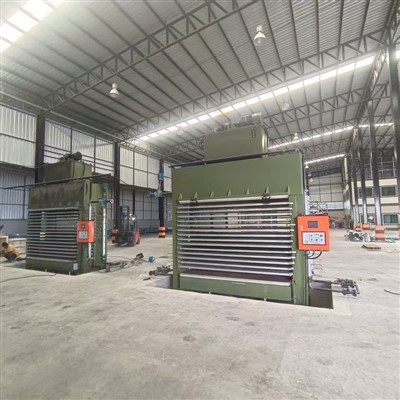
Monitoring and controlling the temperature is essential for the safe and efficient operation of the press, as well as for maintaining the quality of the products. If you have any specific requirements regarding temperature tolerance or need a custom – designed Double Moving Plate Cold Press for your application, we are here to help. We have the expertise and experience to provide you with the best solutions. Feel free to contact us to discuss your procurement needs and start a detailed negotiation.
Single Moving Plate Cold Press References
- "Handbook of Press Technology", Industrial Press Inc.
- "Metals and Alloys: Properties and Applications", McGraw – Hill Education
Jiashan Changle Machinery Manufacturing Co., Ltd.
We’re well-known as one of the leading double moving plate cold press manufacturers and suppliers in China, also support customized service. Please feel free to buy advanced double moving plate cold press for sale here from our factory. Quality products and punctual delivery are available.
Address: Building 12, Zone A, Wanyang Innovation City, No. 23 Yucao South Road, Ganyao Town, Jiashan County, Jiaxing City, Zhejiang Province
E-mail: Changle84615620@163.com
WebSite: https://www.changlejx.com/
