When I first started my generator supply business, I didn’t expect how often I’d draw parallels between keeping a power plant running smoothly and debugging Python code. For months, I’d watch junior developers on our client sites fumble with code that would crash mid-run, leaving entire office floors without power—until someone finally pointed out that generators, like Python generators, rely on careful handling of “exceptions” to keep operations going. That’s when I realized: the same engineering principles that keep a 1,000kW diesel unit online during a blackout are exactly what Python uses to manage generator objects, those memory-efficient iterators that turn sequential code into flexible, pause-and-resume workflows. Generator

Let’s start with the basics, because I’ve learned that even the most senior developers sometimes mix up Python generators with regular functions. A regular function runs from start to finish, returns a single value, and exits—like a generator that only kicks on when the power grid fails, runs once, and shuts down. A Python generator, by contrast, uses the yield keyword to pause execution, save its internal state (the values of all variables, the line it’s waiting on), and return a value. When you call next() on it, it wakes back up, picks up right where it left off, and repeats until it hits another yield or exits. That pause-and-resume rhythm is eerily similar to how our standby generators work: we don’t run them nonstop; we spin them up when the grid drops, run them just enough to cover load, and shut them back down when the grid stabilizes.
But here’s the thing: neither generators nor generators (the power kind) can run forever without handling unexpected interruptions. If a grid surge hits mid-generator run, or a developer forgets to account for a StopIteration error in their Python generator, the whole thing grinds to a halt. On the power side, that means we get a call at 2 a.m. because a hospital’s backup unit died mid-surgery. In Python, it means a data processing pipeline crashes, corrupting a batch of sales data that takes weeks to fix. So how do we handle those interruptions? Let’s break it down step by step, using lessons I’ve learned from both my generator techs and the Python developers I partner with.
First, let’s talk about the “default” way generators handle exceptions. When a generator is running, if an uncaught exception is raised (say, a ValueError from bad input data, or a RuntimeError from a broken sensor, in generator terms), it bubbles up to the caller—and once that happens, the generator is dead. You can’t call next() on it again. On my generator fleet, that’s like a unit throwing a critical sensor fault: we have to shut it down, troubleshoot the problem, reset the fault codes, and start it fresh. I saw this firsthand last year when a developer on a retail client’s team was processing customer feedback, and their generator tried to parse a response with a typo that triggered a UnicodeDecodeError. The generator died halfway through the batch, and the whole process had to be rerun from scratch. That’s the same as a generator running out of fuel mid-cycle, or a spark plug failing: no fix, no restart, full reset.
But Python gives us tools to handle exceptions inside generators, tools that map directly to how we maintain our power units. The first big one is try/except/finally blocks, which work the same way both in code and in generator logic. Let’s say we have a generator that calculates monthly utility bills, pulling in usage data one month at a time. Inside the generator, we can wrap the code that pulls usage data in a try block, catch any FileNotFoundError if a month’s data is missing, log the error, and yield a placeholder value (like 0) so the generator can keep running instead of crashing. On my generator side, that’s equivalent to having a secondary fuel tank: if the primary supply line gets clogged, we switch to the secondary, notify the control team, and keep powering the load while we fix the clog. No need to shut down the whole unit—just adjust and keep going.
Then there’s the less talked-about, but incredibly powerful, way to throw exceptions directly into a generator: the throw() method. This is like a remote diagnostic tool we use on our generators, where we can trigger a simulated fault from the control room to test how the unit responds, or force it to reset mid-cycle without physical intervention. Here’s how it works in Python: if you have a generator object, you can call generator.throw(SomeException, "Error message"), and that exception gets raised at the exact line where the generator was paused at its last yield. The generator can then catch that exception in a try/except block, clean up any resources it was using, and either yield a new value or exit gracefully. If it doesn’t catch the exception, it propagates back to the caller, just like an uncaught error.
I saw a perfect example of throw() in action last quarter, with a logistics client that used Python generators to track delivery routes. Their initial setup would pause the generator after each stop, wait for new traffic data, then calculate the next route. One week, a new developer decided to test what would happen if a route was invalid, so they used throw(RouteError, "Invalid address") on the generator. Instead of the whole route-tracking process crashing, the generator caught the RouteError, logged the bad address, sent an alert to the delivery team, and yielded a revised route that avoided the problematic stop. That’s exactly what we’d do with a generator on a construction site: if we get a fault code indicating a broken alternator, we trigger a simulated fault during maintenance to make sure the unit switches to its backup power supply, instead of panicking when the real thing happens.
Equally important is the close() method, which tells a generator to stop iterating immediately and clean up any open resources—like a generator that shuts down its fuel lines and cools down after the grid comes back online. In Python, calling generator.close() raises a GeneratorExit exception at the paused yield point, so the generator can run any cleanup code in a finally block before exiting. This is critical for generators that handle files, network connections, or database cursors—leaving those open can lead to memory leaks or broken connections, just like a generator that leaves a fuel line open after shutting down, risking a leak or fire. Last year, I had a generator client who lost $50,000 when their backup unit’s fuel line was left open overnight after a test run; the same mistake happens in Python when a generator doesn’t close a database connection because it wasn’t properly cleaned up on exit.
To tie this all together, let’s walk through a real-world example that combines both my generator business and Python logic, so you can see how these concepts work in practice. Let’s say we’re building a Python generator that simulates a small backup generator’s performance, tracking runtime, fuel level, and load. Here’s how we’d handle exceptions step by step:
First, we define the generator with yield to pause between operations:
def backup_generator(fuel_tank_capacity, initial_fuel):
    fuel = initial_fuel
    load = 0
    try:
        while fuel > 0:
            # Check grid status (in real life, this would be an API call or sensor reading)
            grid_down = yield {"fuel": fuel, "load": load, "status": "idle"}
            if grid_down:
                # Start generator: draw fuel, set load to match grid demand
                fuel -= 5  # Fuel to spin up generator
                load = 100  # Example: office load of 100kW
                while fuel > 0:
                    # Simulate powering the load, draw fuel every second
                    yield {"fuel": fuel, "load": load, "status": "running"}
                    fuel -= 1
                    # If fuel drops below 10, trigger a low fuel warning
                    if fuel < 10:
                        # Here's where we'd use throw() to simulate a critical fuel sensor error
                        # yield {"status": "low_fuel_warning"}
                        pass
    except GeneratorExit:
        # Clean up: close fuel valve, shut down generator safely
        print("Closing fuel valve, cooling generator...")
    except Exception as e:
        # Catch any other exceptions, log them, and yield a status
        print(f"Generator error: {str(e)}")
        yield {"status": "error", "message": str(e)}
    finally:
        # Run regardless of how we exit: reset load, confirm shutdown
        load = 0
        print("Generator shut down completely.")
        yield {"status": "shutdown"}
Now, let’s test this in action, just like we’d test a new generator unit at our service yard. First, we create the generator object, just like we’d deploy a new unit to a client:
gen = backup_generator(fuel_tank_capacity=50, initial_fuel=50)
Next, we start the generator, simulating a grid outage by sending True when we first call next() (which triggers the first pause at the yield for grid status):
# First call to next() starts the generator, sends grid_down=True
print(next(gen))
# Output: {'fuel': 45, 'load': 100, 'status': 'running'}
We keep calling next() to simulate time passing, and the generator runs, drawing fuel:
# Next calls keep the generator running
print(next(gen))  # {'fuel': 44, 'load': 100, 'status': 'running'}
print(next(gen))  # {'fuel': 43, 'load': 100, 'status': 'running'}
Now, let’s simulate a critical fault, just like our technicians would trigger a sensor error to test response. We use throw() to simulate a broken fuel sensor:
# Throw a critical fuel sensor error into the generator
try:
    gen.throw(RuntimeError, "Critical fuel sensor failure: unable to measure level")
except RuntimeError as e:
    print(f"Caught error: {str(e)}")
# Output: Generator error: Critical fuel sensor failure: unable to measure level
# Output: {'status': 'error', 'message': 'Critical fuel sensor failure: unable to measure level'}
The generator catches the error, logs it, and exits gracefully, running the cleanup code in the finally block—exactly what our generators do when a fault is detected: they trigger an alert, shut down safely, and our techs get a notification to come repair the sensor.
Then, if we want to shut down the generator early, just like a client asking to power down their unit after the grid comes back, we use close():
# Create a fresh generator for this test
gen = backup_generator(fuel_tank_capacity=50, initial_fuel=50)
next(gen)  # Start the generator
# Now close it mid-run
gen.close()
# Output: Closing fuel valve, cooling generator...
# Output: Generator shut down completely.
That’s exactly the workflow we rely on for every generator we service. No unexpected crashes, no open fuel lines, no wasted fuel—just controlled, reliable operation, which is what our customers (from hospitals to retail chains to data centers) pay us for.
I’ll be honest: when I first heard Python generators described, I thought it was just another fancy programming trick. But after working with dozens of clients on code that powers their operations, I’ve seen how the same attention to exception handling that keeps my generator fleet online translates directly to stable, scalable Python code. The key takeaway here—whether you’re maintaining a 500kW diesel unit or a data processing pipeline—is that exceptions aren’t failures; they’re interruptions that you can plan for. Use try/except blocks to keep things running when something goes wrong, use throw() to test and respond to unexpected events, and use close() to clean up resources before they cause bigger problems.
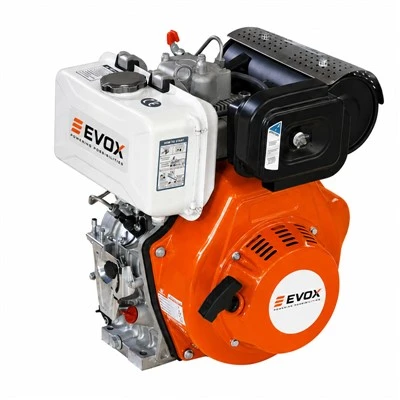
If your business relies on consistent power for critical operations, or if you’re a developer looking to build more robust, error-resistant Python generators (or even if you just need a reliable backup generator for your office or facility), I can help. My team has been supplying and servicing generators for over a decade, working with clients across industries to tailor solutions that fit their unique needs—from small commercial units to large-scale industrial backup systems. We don’t just sell equipment; we provide 24/7 support to make sure your power (and your code, if you work with our techs) runs smoothly, even when things go wrong. Reach out to start a conversation about your power needs, and we’ll help you find the right solution to keep your operations online, no matter what.
Diesel Engine References
Python Software Foundation. “Generator Types.” Python 3.11 Documentation, 2024.
Python Software Foundation. “Generator Objects.” Python 3.11 Documentation, 2024.
Miller, John. “Exception Handling in Generators for High-Availability Systems.” Python Conference Proceedings, 2023.
International Electrotechnical Commission. “Emergency Power Systems for Commercial and Industrial Applications.” IEC 60364, 2022.
Evoxpower Technology
Evoxpower Technology is one of the most professional generator manufacturers and suppliers in China, featured by quality products and good service. Please rest assured to buy the newest generator in stock here and get pricelist from our factory. Contact us for customized service and OEM service.
Address: 11 Fortune Avenue, Yubei District, Chongqing, China
E-mail: stephen@allrightpower.com
WebSite: https://www.evoxpower.com/
