If you’ve ever worked in the biomass energy space, you know that a biofuel pellet line is more than just a hunk of metal and a few motors. It’s a system that turns forest residues, agricultural waste, and even industrial wood byproducts into a standardized, high-value fuel source that powers everything from home heating boilers to large-scale power plants. But here’s the thing: even the best pellet line in the world won’t deliver consistent, high-quality pellets 100% of the time if you skip the small, critical steps that keep every part of the process in check. Biofuel Pellet Line

As a biofuel pellet line supplier, I’ve spent the last 12 years standing right next to our customers’ production lines, troubleshooting mid-shift hiccups, and celebrating when they hit their quarterly quality targets. I’ve seen lines that pump out perfectly consistent pellets every hour, and I’ve seen lines that produce a mess of dust, crumbly pieces, and pellets that don’t even light right, all because of one small oversight in the process. The truth is, quality stability isn’t a lucky break—it’s the result of intentional, daily, and weekly checks that touch every stage of the pellet production workflow. Let’s break this down the way I teach every new customer when they take delivery of their line.
First, let’s start with the most fundamental part of the process: the raw material. You can’t make a good pellet out of bad feedstock, no matter how fancy your pellet press is. I’ve had a customer tell me last year that they were running sawdust from a local sawmill that was “just fine”—until we tested it and found it had 18% more bark content than our recommended maximum. Bark has a different lignin structure than solid wood, so it doesn’t bind the pellet the same way, leading to higher fines and lower durability. Another common mistake is mixing feedstock with different moisture levels without pre-processing first. For example, if you pile up fresh sawdust that’s at 50% moisture next to dry wood chips at 8% moisture and feed them directly into your hammer mill, you’ll end up with an inconsistent mix every time—some pieces too wet, some too dry, and pellets made from that mix will crumble during transport or storage.
So what’s the fix here? First, test every incoming batch of feedstock for two key metrics: moisture content and particle size. We recommend using a portable moisture meter that can give you a reading in 30 seconds, not a lab test that takes three days. Particle size is just as important—your hammer mill should be set with screens that match the pellet line’s capacity, and you should check the ground material with a sieve shaker at least once per shift. Our team will work with each customer to tailor these specs: a line running 2 tons per hour for residential heating pellets will need a different particle size than a 10-ton-per-hour line for utility-scale power plants. The biggest mistake I see is operators skipping the pre-conditioning step: if your feedstock is too dry (below 8% moisture), you’ll need to add a small amount of water to trigger the lignin binding during pelleting. If it’s too wet (above 12% is usually too high), you need to send it through a rotary dryer before it reaches the pellet press. I once worked with a customer who skipped the dryer for a month to save on energy costs, and within six weeks they were losing 15% of their output to fines—costing them more in lost revenue than the dryer would have used in power in a year.
Next up, the core of the whole operation: the pellet press itself. This is where the magic happens—ground feedstock is compressed through a die, and the natural lignin in the biomass melts under pressure and heat, acting as a binder to hold the pellet together. But if your press isn’t set up right, even perfect feedstock will produce inconsistent pellets. The first thing to check here is the die. Dies wear out over time, and a worn die will have uneven hole diameters, rough inner surfaces, or inconsistent compression ratios. I tell every customer to keep a log of how many tons of pellets they run through each die, and replace it when they hit 80% of the manufacturer’s recommended limit. A few months ago, a customer in Ohio told me their pellets had suddenly developed high friability—when we inspected their die, we found it was worn down so much that the hole diameter was 2mm larger on one side than the other. We replaced it, and their friability dropped from 18% (way above the EN Plus A1 standard of less than 1%) to 0.8% within an hour. That’s the difference a die change makes.
Then there’s the press’s roller gap, which is the distance between the rollers and the die surface. If the gap is too wide, the feedstock doesn’t get enough pressure to form a tight pellet. If it’s too narrow, you’re putting unnecessary stress on the press motor, wasting energy, and increasing wear on both the rollers and the die. We teach our customers to adjust the roller gap when they start a new shift, or after they change feedstock, using a feeler gauge to get a consistent gap across all rollers. Another common issue here is motor load. If your press motor is running at less than 70% or more than 90% of its rated capacity, that’s a red flag. A load below 70% usually means you’re not feeding enough material, so the compression is uneven. A load above 90% means you’re overfeeding, which can cause pellets to be too dense, jam the die, or even burn out the motor. I recommend installing a basic motor load monitor on every pellet press— it’s a $200 investment that can save you thousands in downtime and repairs.
Once the pellets are pressed, they go through the cooling and screening process, and this is where a lot of quality issues get missed. Hot pellets straight out of the press are soft and malleable—if you bag them or stack them while they’re still hot, they’ll deform, stick together, and develop mold over time. That’s why cooling is non-negotiable. The cooling line should reduce pellet temperature to within 5°C of the ambient air temperature, and moisture content by at least 1-2%. I had a customer in Canada who cut their cooling time by half during a cold snap to keep up with demand—within a month, their returned pellets from retailers were 30% deformed, and they had to issue full refunds. Since then, they’ve kept their cooling time consistent, even in the dead of winter.
Then there’s screening. After cooling, pellets have a lot of fines and broken pieces mixed in, and you need to remove those before packaging. If your screener isn’t calibrated right, you’ll either leave too many fines in (leading to lower grade pellets and more dust during handling) or discard good pellets along with the fines (wasting material and cutting into profits). We suggest using a two-tier screener: one with a larger mesh to remove oversized pieces, and one with a smaller mesh to capture fines. Check the mesh size at least once a week—over time, the holes stretch or get damaged, so a 6mm mesh might become 8mm, and you’ll start letting oversized pieces through. One trick I teach operators is to grab a handful of screened pellets every hour, spread them out on a flat surface, and count how many are smaller than your target size. If you see more than 5% fines, it’s time to check the screener.
Now, let’s talk about the people operating the line. I know this sounds obvious, but you can have the best equipment in the world, and if your operators are not trained properly, you’ll never get consistent quality. Most pellet line suppliers offer basic training, but we take it a step further: every customer gets a two-day on-site training session, where we walk operators through every step of the process, how to take measurements, how to adjust settings, and what red flags to look for. We also give them a simple, pocket-sized checklist they can use every shift. The checklist includes: testing feedstock moisture, checking hammer mill screen condition, verifying press motor load, measuring roller gap, checking die wear, monitoring cooling line temperature, and sampling pellets for quality. I’ve seen customers who use that checklist cut their quality defects by 70% in three months, just by turning daily tasks into consistent habits.
Maintenance is another huge piece of the puzzle. Pellet lines are heavy-duty equipment, but they’re not indestructible. Skipping regular maintenance leads to unexpected breakdowns and inconsistent performance. For example, if you don’t lubricate the roller bearings regularly, they’ll wear unevenly, leading to inconsistent pressure on the pellet die. If you don’t clean the dust buildup from the hammer mill, it can throw off the feed rate and particle size. We recommend a weekly maintenance checklist, a monthly deep clean, and a quarterly inspection of all critical parts (die, rollers, screens, motors). Last year, a customer in France missed their quarterly inspection and didn’t notice that the feed auger was slightly bent. The bent auger was feeding uneven material into the hammer mill, so the particle size varied wildly, and their pellet durability dropped to 50%. By the time they noticed, they’d run 200 tons of bad pellets, costing them over $10,000 in rework and lost revenue. That’s the cost of skipping maintenance.
One thing I always emphasize is testing, not just guessing. You can have all the settings right, but you need to validate them with actual samples. We recommend testing pellets for key quality metrics at least once per shift, and after any change in feedstock, line speed, or die. The key metrics here are durability (how well the pellets hold together, measured as the percentage of pellets that don’t break after being tumbled in a durability tester), moisture content, and heat value. For residential heating pellets, you’ll want to aim for a durability of at least 97% (meeting EN Plus A1 standards), moisture content below 10%, and heat value of around 4.8 kWh per kg. For utility-scale pellets, specs can be a bit looser, but consistency is still key—power plants need pellets that will burn evenly, so they can’t handle wide swings in density or moisture. I tell customers to keep a log of every test run, every adjustment, and every batch of feedstock. Over time, that log becomes a roadmap—you’ll learn that a certain sawdust batch works best with a die gap of 1.5mm, or that when humidity is above 70%, you need to add 1% more moisture to the feedstock. That kind of historical data is invaluable for keeping quality consistent, especially as market demands change.
I also want to mention external factors that operators often overlook. Ambient temperature and humidity have a big impact on pellet quality. In dry, cold weather, feedstock can lose moisture too quickly during pelleting, leading to brittle pellets. In hot, humid weather, the opposite happens—pellets can absorb moisture from the air, leading to mold and lower durability. We recommend installing dehumidifiers in the pellet storage area, and adjusting the drying and conditioning settings on the line when weather changes. For example, during a humid summer, you might need to extend the cooling time by 10 minutes to make sure pellets reach the right moisture level before storage. It’s a small adjustment, but it makes a huge difference in how the pellets perform once they leave the line.
At the end of the day, ensuring quality stability in a biofuel pellet line isn’t about being perfect—it’s about being consistent. It’s about not cutting corners on feedstock testing, not skipping maintenance, not taking the press settings for granted, and trusting the data from your tests instead of just what “feels right.” I’ve seen too many pellet line operators get complacent, thinking “we’ve run this line for years, we know how it works,” only to run into major quality issues that cost them money and reputation. The best pellet producers I work with are the ones that treat every shift like it’s the first shift, that check every detail, that train their operators well, and that don’t hesitate to reach out when something feels off.
If you’re in the market for a biofuel pellet line, remember that quality stability starts before you even install the line. Look for a supplier that doesn’t just sell you equipment, but that offers on-site training, ongoing support, and custom specs for your specific feedstock and production goals. Our team works with every customer to build a line that’s tailored to their needs, not a one-size-fits-all model, and we’re always here to help when they run into a hiccup, whether it’s a die change, a feedstock issue, or just a question about adjustment.
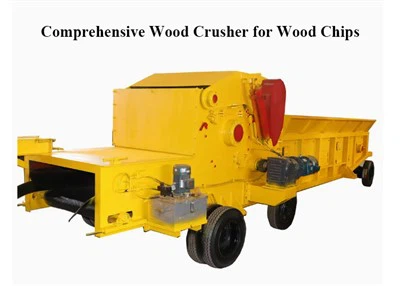
If you’re ready to start or upgrade your pellet production operation and focus on building a reputation for consistent, high-quality pellets, we’re here to help. Reach out to our team to discuss your needs, learn more about our line solutions, and how we can partner with you to keep your production running smoothly and profitably.
Crushing machine References
- European Committee for Standardization. (2020). Solid biofuels – Fuel specifications and classes. EN 14961:2020.
- Kaliyan, N., & Morey, R. V. (2009). Factors affecting strength and durability of densified biomass products. Biomass and Bioenergy, 33(3), 337-359.
- Obernberger, I., & Thek, G. (2004). The state of the art of pellet production and use in Europe. Biomass and Bioenergy, 27(5), 435-445.
- Ofualagba, G. O., & Ogunlowo, A. O. (2017). Effects of moisture content and particle size on biomass pellet quality. Journal of Applied Science and Environmental Management, 21(3), 489-494.
Zhengzhou Fanda Machinery Co., Ltd.
Zhengzhou Fanda Machinery Co., Ltd. is one of the most professional biofuel pellet line manufacturers and suppliers in China. Feel free to buy cheap biofuel pellet line for sale from our factory and check the price with us.
Address: Zhisi Road, Zhongyuan District, Zhengzhou, Henan, China.
E-mail: vincenthan@fandamachinery.com
WebSite: https://www.fandapelletmill.com/
